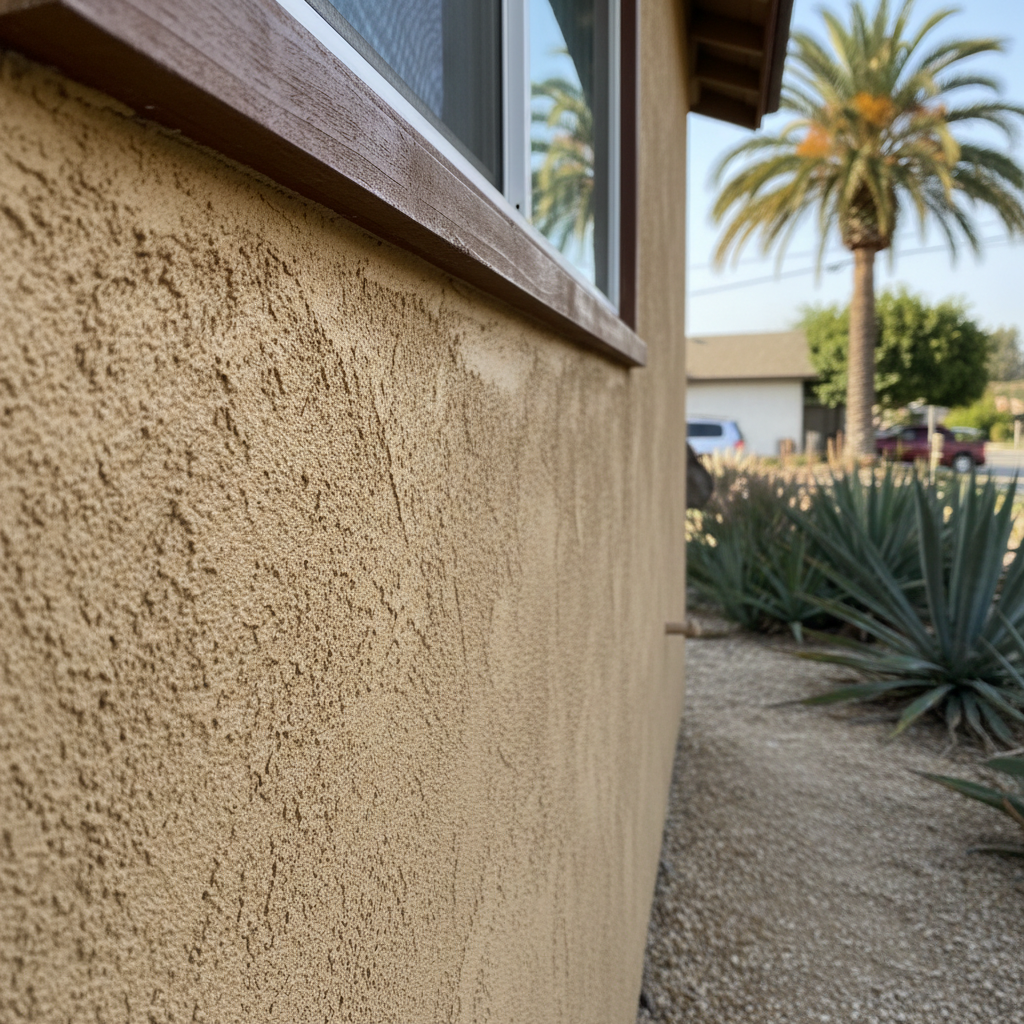
Alright, let's talk stucco removal. I get a lot of calls from folks around National City, especially in places like Paradise Hills, wondering if it's time to ditch their old stucco. It's a big decision, and you've got questions. That's good. You should. Here are the most common ones I hear, and I'll give you the straight scoop.
Why would I even want to remove stucco?
Good question. Most of the time, people are looking to remove stucco for a few main reasons. One big one is damage. If your stucco is cracked all over, crumbling, or showing signs of water intrusion – maybe you've got those ugly brown streaks under your windows – then removal might be the best path. You can patch it, sure, but sometimes the underlying issues are too widespread, or the patches just don't blend right. Another common reason is aesthetics. Maybe you're tired of the look, or you're renovating and want a different exterior finish, like siding or brick. Or, you're trying to identify and fix a persistent moisture problem that you suspect is behind the stucco. It's not always about just changing the look; sometimes it's about solving a problem for good.
Is stucco removal a DIY job, or do I need a pro?
Look, I'm not going to tell you that you can't do it yourself. You can technically do a lot of things yourself. But should you? Probably not, especially with stucco. It's not just about knocking off plaster. There's usually a wire lath underneath, sometimes multiple layers, and you've got to be careful not to damage the sheathing or framing behind it. It's incredibly dusty, messy work, and it's physically demanding. Plus, you need to know what you're looking for once the stucco is off – checking for water damage, rot, or mold. If you miss something, you're just putting a new problem on top of an old one. Trust me, this is one of those jobs where hiring a professional like National City Stucco & Plastering saves you headaches, time, and potentially a lot more money down the road if you mess it up.
How long does stucco removal typically take?
That really depends on the size of your house and the complexity of the job. A small, single-story home might take a few days for the removal itself. A larger, multi-story house with lots of architectural details or tricky access could take a week or even longer. You also have to factor in the prep work – protecting landscaping, setting up scaffolding – and then the cleanup. And that's just the removal part. If you're putting up a new finish, that's a whole separate timeline. We always give you a clear estimate for the removal phase so you know what to expect.
What happens after the stucco is removed?
Once the old stucco is off, the underlying sheathing is exposed. This is a critical point. We'll inspect everything thoroughly for any signs of water damage, rot, or pest infestations. If we find anything, we'll let you know what needs to be repaired before any new exterior goes up. This is where you really get to see the condition of your home's bones. After any necessary repairs, the surface is prepped for whatever new finish you've chosen – whether that's new stucco, siding, or something else. It's like a blank canvas for your home's new look.
Will removing stucco damage my home's structure?
If done incorrectly, absolutely. That's why I stress hiring experienced professionals. When we remove stucco, we're careful to minimize impact on the underlying structure. We use specialized tools and techniques to chip away the stucco without gouging the sheathing or bending the framing. The goal is to get the old material off cleanly so that the surface is ready for the next step. A good crew knows how to do this without causing new problems. We're not just swinging hammers; we're surgically removing a layer of your home's skin.
What about lead paint or asbestos in old stucco?
This is a serious concern, especially with older homes in National City, say, those built before the 1980s. Some older stucco mixes, or the paint applied over them, could contain lead or asbestos. We always recommend testing for these materials before starting any removal project on older homes. If they're present, specific abatement procedures are required to ensure the safety of everyone involved and to comply with environmental regulations. It's not something to mess around with; you need certified professionals for that. We can help you arrange for the testing if needed.
What's the best time of year for stucco removal in National City?
Honestly, we're pretty lucky here in National City with our weather. We don't have extreme winters like other parts of the country. That said, the ideal time is usually during our drier months. Avoiding the peak of our rainy season, which typically runs from November to March, is smart. You don't want your home's sheathing exposed to prolonged moisture. Spring, summer, and early fall are generally excellent times. The mild temperatures mean comfortable working conditions and good drying times for any new materials. We can work year-round, but planning for the dry spells just makes the process smoother and safer for your home.